Vortex Laboratory
L-vortex@mail.ru
Low-temperature drying of materials in an aerodynamic vortex chamber to produce dry fine powders
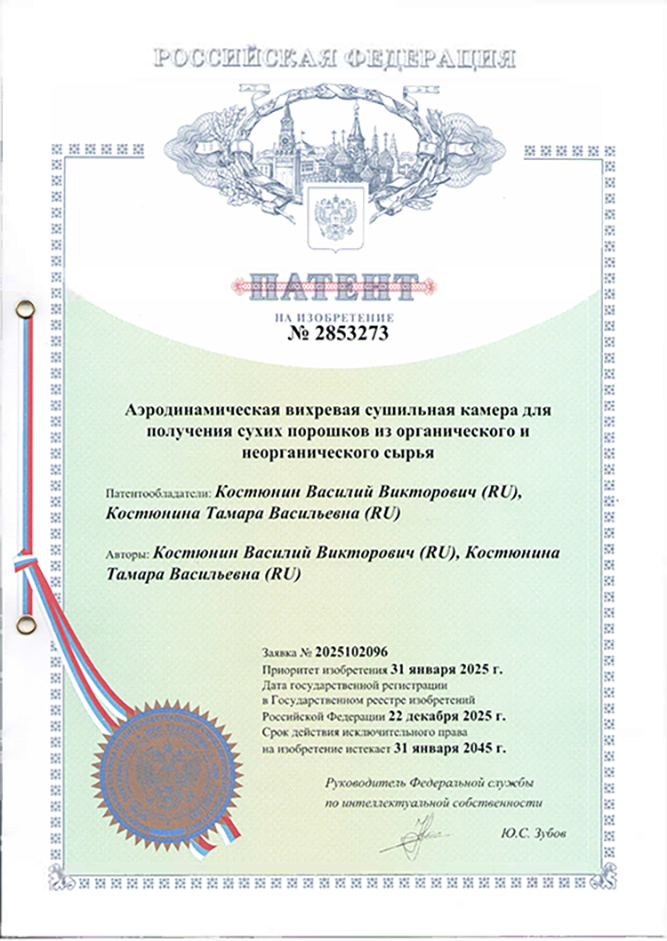
Our developments include an aerodynamic vortex drying chamber, which implements a continuous process of low-temperature drying and simultaneous grinding of materials in a vortex flow. The resulting drying result is a dry, fine powder. Our vortex drying chamber is suitable for drying and grinding virtually any material (including viscous and sticky ones), both organic and inorganic.
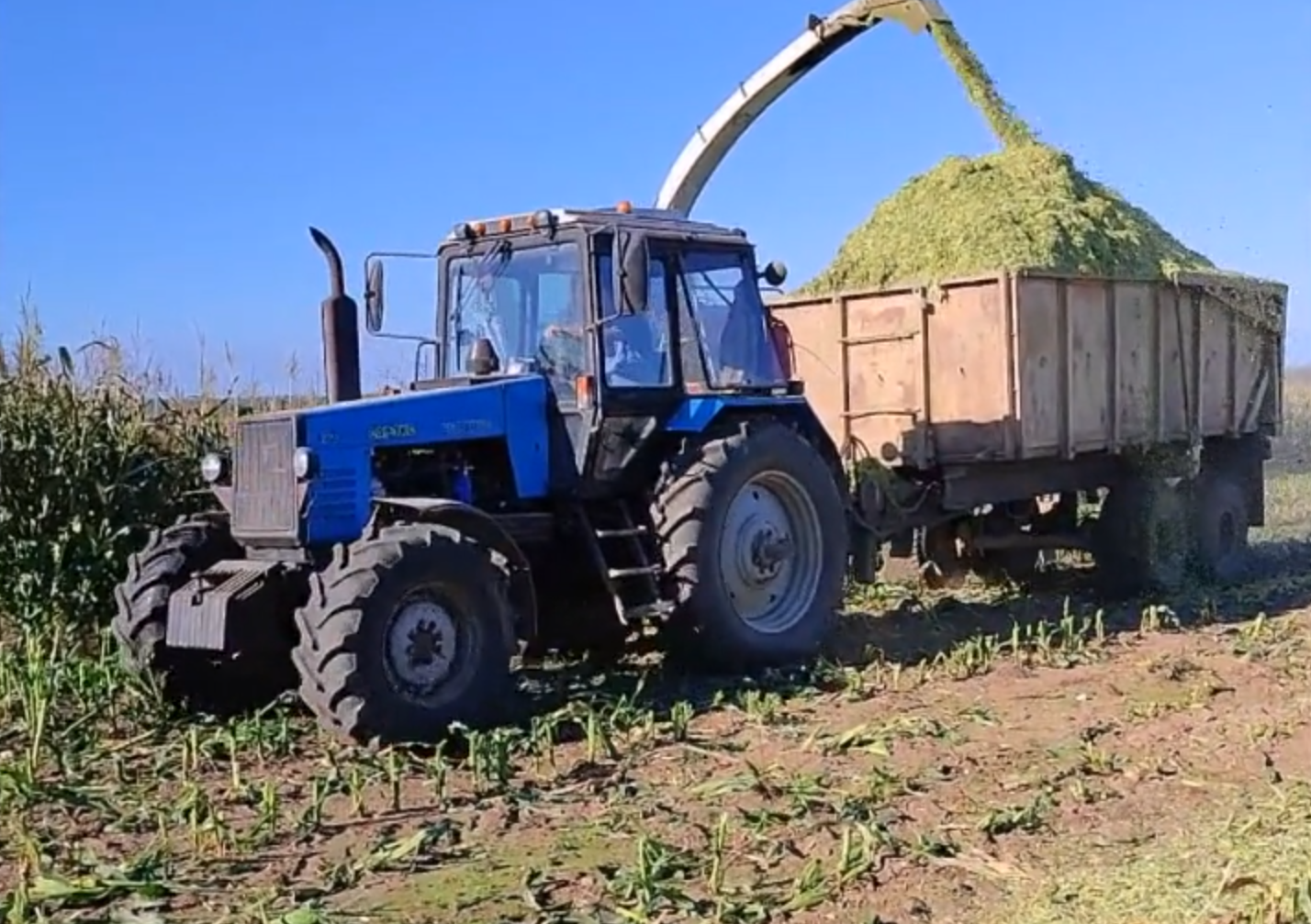
During tests drying potatoes, carrots, brewer's grains, winter rye, corn, alfalfa, peat, chicken manure, coal sludge, wet coal, and wastewater treatment plant sludge, we found that drying in our aerodynamic chamber begins at an inlet air temperature of 35°C. The air temperature is selected based on the specific type of raw material being processed and the properties required of the dry material exiting the drying chamber.
During the drying process, the special geometry of the chamber creates a swirling flow of heated air, which entrains the material particles and holds them in a rotating bed for the required time, causing them to collide with each other and the walls of the drying chamber, thereby activating the synergy of several drying mechanisms, namely:
1. Mechanical drying (due to the removal of water from the surface of the material particles)
2. Thermal drying (due to the heating of the material particles during multiple impacts with each other and the walls of the drying chamber)
3. Adsorption drying (due to the mixing of the dry material, which is held and rotated in a bed within the working volume of the drying chamber, with newly incoming wet material)
4. Convective drying (due to the heat and high-speed turbulent flow of a gaseous coolant, such as air, supplied to the drying chamber)
5. Adiabatic drying (not boiling, but adiabatic drying) Evaporation of moisture from the surface of a material particle, i.e., all the heat released by the gaseous coolant (air) for evaporation is returned to the air along with the material's moisture (water vapor).
6. Due to the material's grinding, the internal pores in its particles open, releasing the internal moisture to the surface. This internal moisture becomes external and accessible to all the above-mentioned drying mechanisms. This effect minimizes the slowest drying process—diffusion, in which moisture diffuses from the internal pores of a material particle to its surface.
The drying process occurs intensively over a short time and with minimal energy consumption, ensuring continuous, efficient drying and grinding of the feedstock material while maintaining the compact dimensions of the aerodynamic vortex dryer.
Technical parameters:
- Raw material moisture content 70-75%
- Finished fine powder moisture content 6-12% (adjustable)
- Finished dry powder fraction less than 50 µm
- Chamber operating temperature 45-50°C
- Power consumption 0.45 kW/kg of evaporated moisture
Advantages of our drying technology:
1. The material is dried without preliminary squeezing and evaporation
2. Possibility of fractionation - dividing the material directly during the drying process into two or more fractions and their separate removal from the chamber
3. Destruction of bacteria and fungi found in wet raw materials at low process temperatures due to the special organization of the drying process
4. Continuity of the drying process: wet material is fed into the chamber continuously, as it dries, the dry powder flies out of the chamber into the storage container
5. Preservation of nutrients, vitamins, amino acids, etc. in ready-made dry powders
6. Compact installation dimensions
7. Low power consumption!
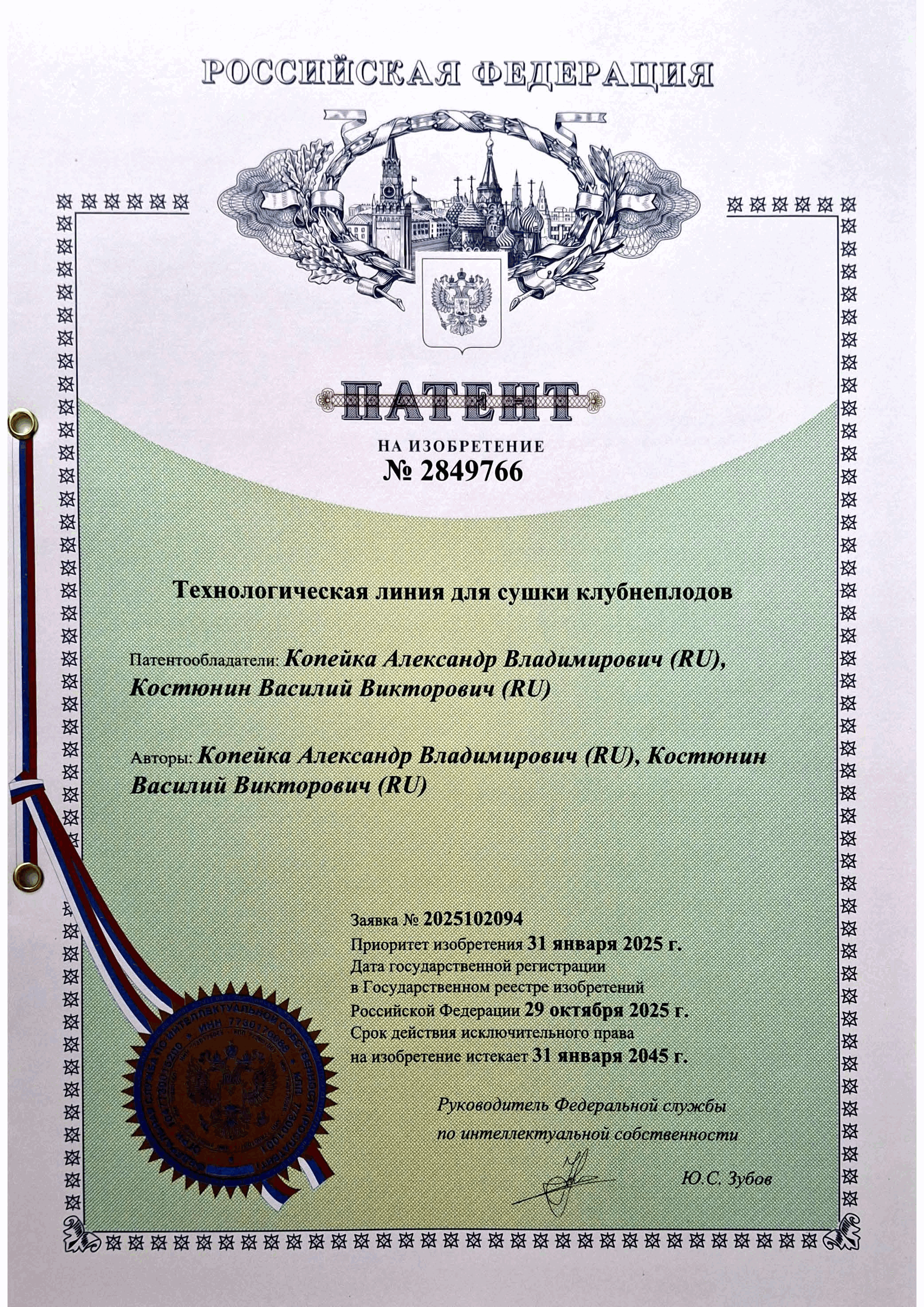
There is no analogue to continuous low-temperature drying of viscous and sticky materials!
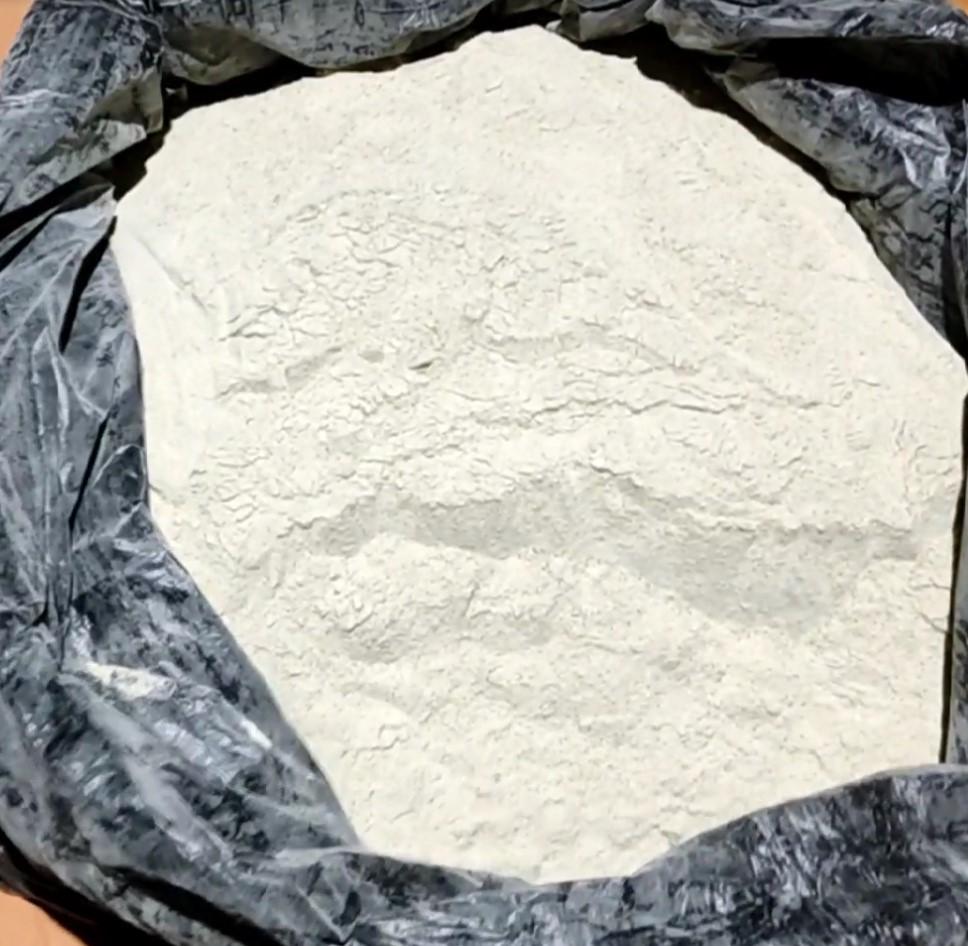
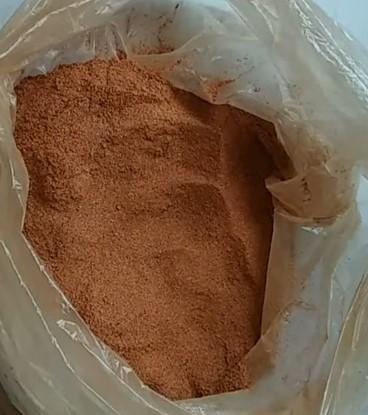
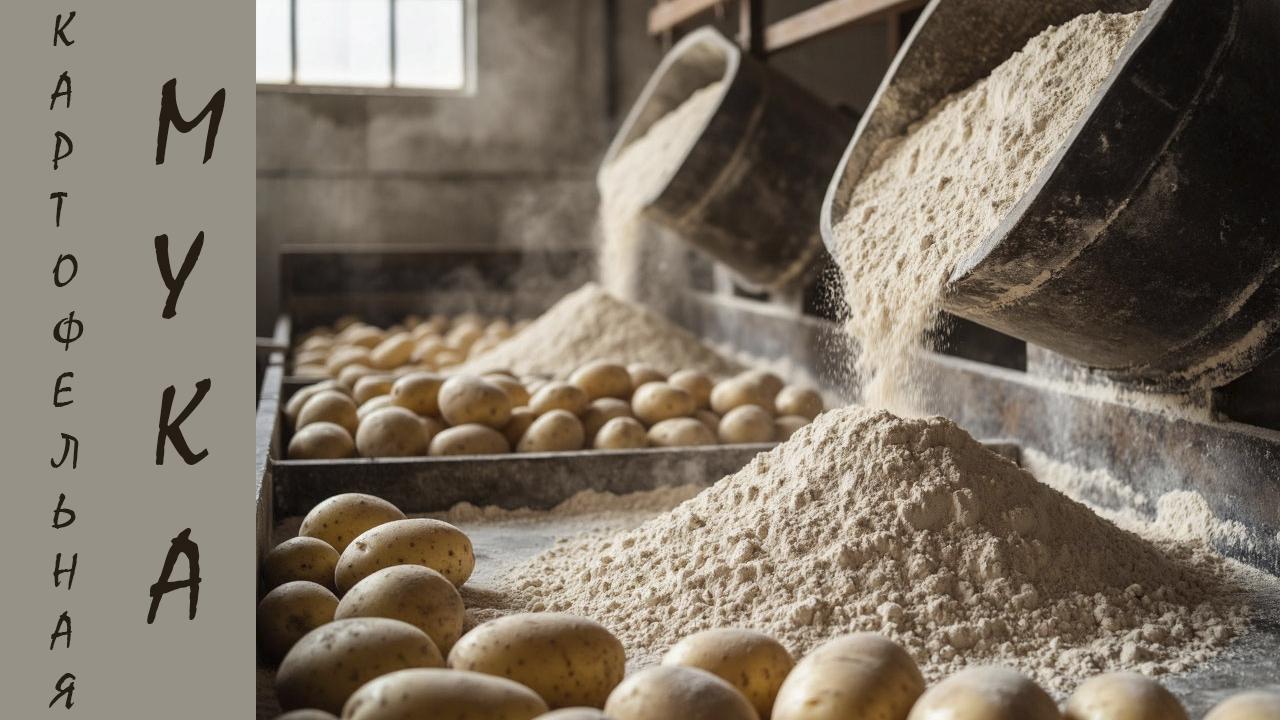
For example, we dry chicken manure (without prior separation) or raw potatoes (without pre-processing (cooking)) without encountering problems with adhesion to the drying chamber surfaces. We obtain a dry, finely dispersed powder without the need for subsequent grinding. Adhesion is prevented by creating a controlled airflow, its optimal speed (15-20 m/s), and the special geometry of the working area, which ensures constant movement and collision of material particles.
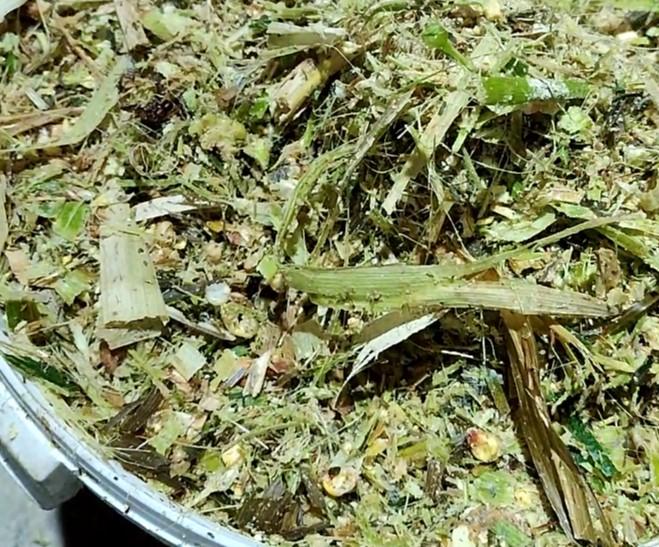
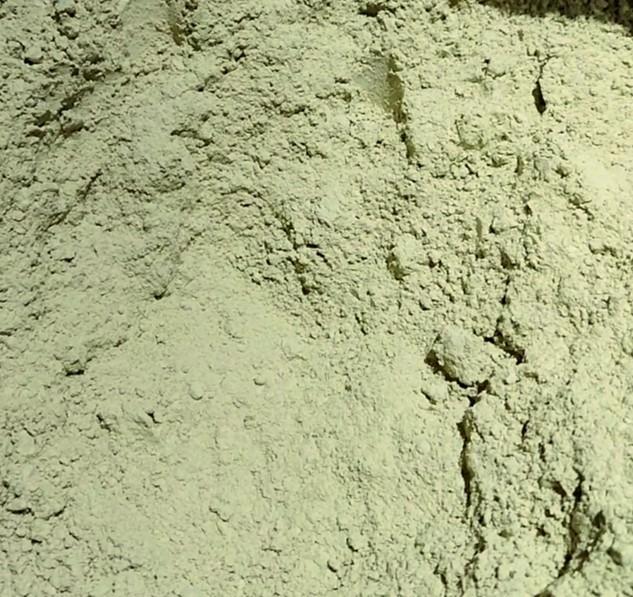
(The dry powder has no characteristic odor. It has a pleasant aroma of oils and protein)
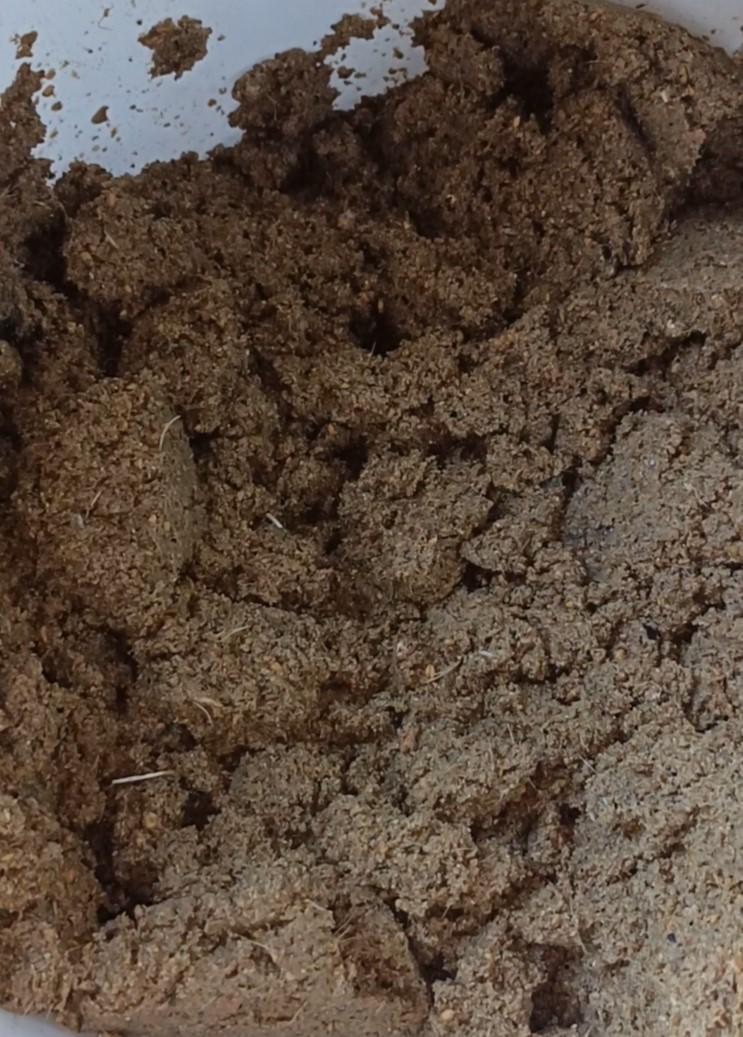
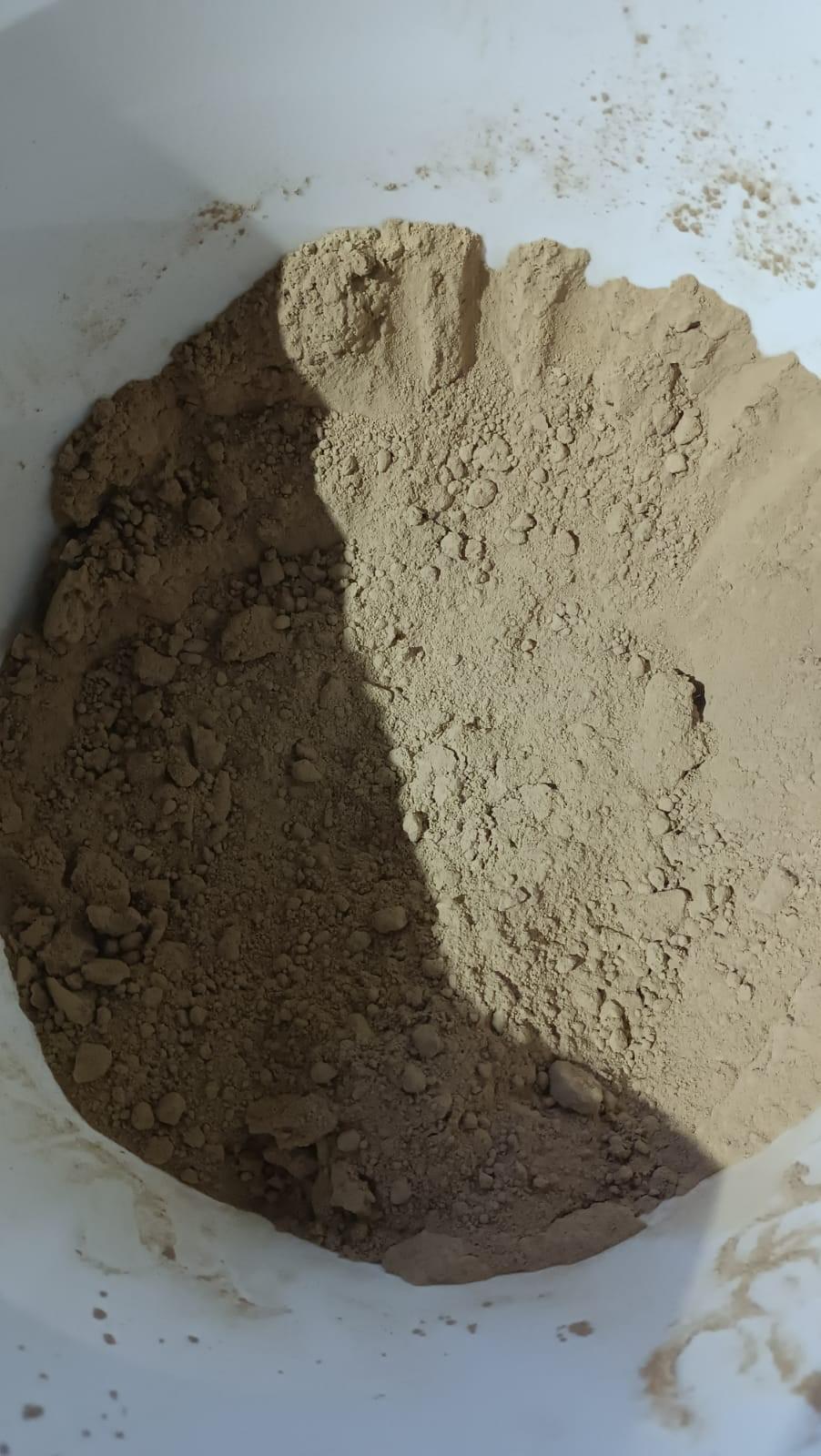
The waste, whose initial moisture content can reach 72%, is fed directly to our drying chamber without additional dewatering (and therefore without additional costs, both material and time). After the drying chamber, the moisture content of the dry wastewater treatment plant sludge powder will be 8-12%. This dry powder is an excellent fuel for generating electricity and/or heat in an energy complex based on a vortex gas generator. The uniqueness of the vortex gas generator lies in the device's special geometry, which allows the material particles to be retained within it for as long as necessary to complete the slow thermochemical processes.